PRINCIPAL · BO KELLETT · EST. 1995
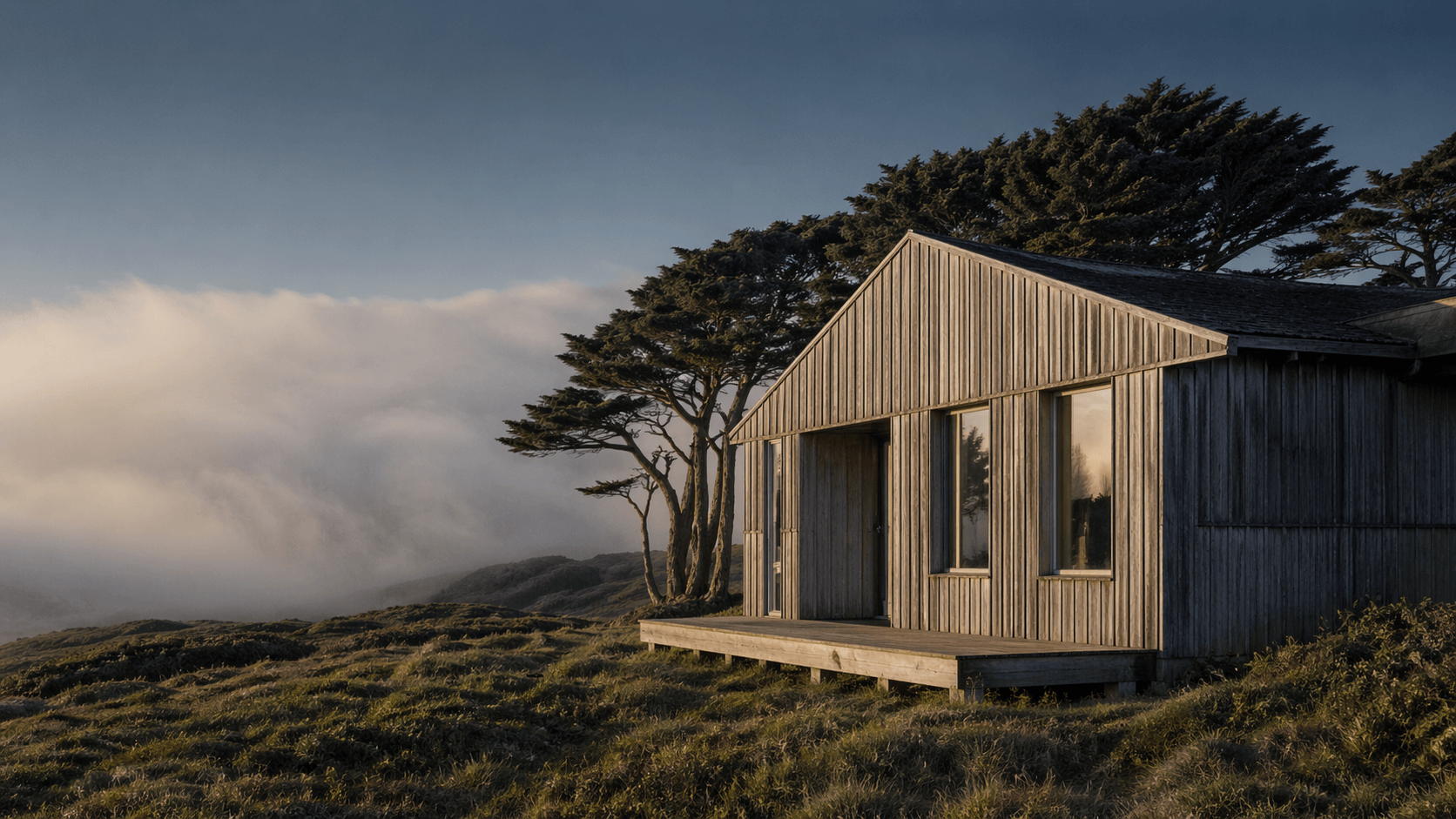
I’m Bo. I prepare California Title 24 residential energy reports. One person, one phone line, one piece of software. I started in an engineer’s office in the year 2000 and have been running the performance method ever since. Nothing fancy. Reports that pass, delivered when I say they will.
- YEARS
- 0+
- REPORTS
- 0+
- CODE CYCLES
- 0
- FOCUS
- one
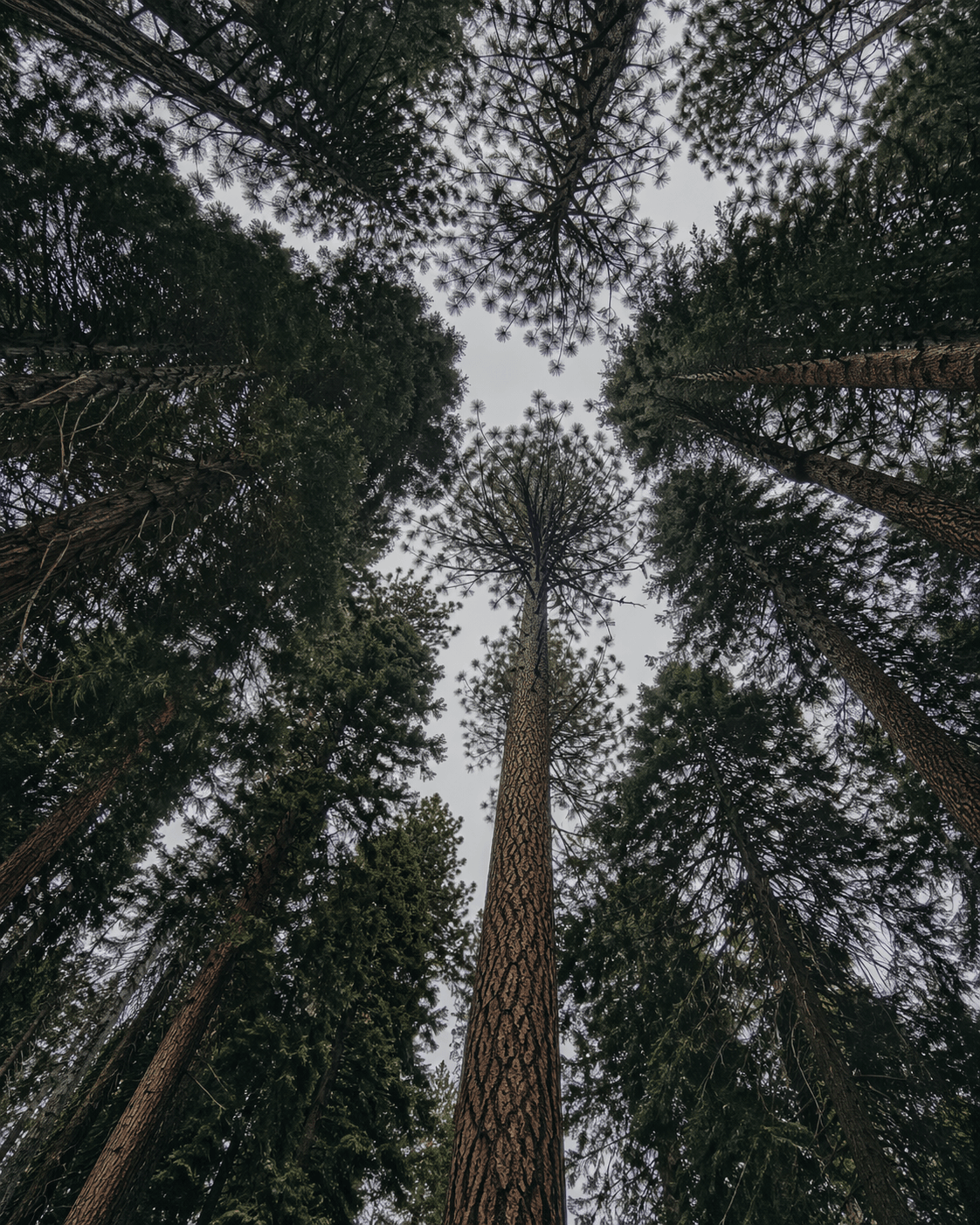
FIG. 01 · CANOPY · FOOTHILL PINE
THE STORY · IN HER WORDS
How one practice, on one method, happened.
I learned Title 24 sitting next to a structural engineer. In the year 2000 I took a desk in his office and did energy reports alongside his framing plans. He’d hand me a set, I’d run the calcs, we’d staple it all together and send it out. Residential, mostly. Small additions, new single-family, the occasional duplex. That was the rhythm for years.
Somewhere around the third code cycle I noticed the performance method was doing better by our clients than the prescriptive path. More flexibility in the envelope, fewer forced trade-offs, reports that passed on the first try. The software was faster than people gave it credit for; the reputation for being complicated mostly belonged to people who didn’t use it every day.
So I went solo, kept the focus narrow (residential, performance method, California), and I’ve been at it ever since. Thirty-plus years. Hundreds of reports. Seven code cycles, including the continuing education I just finished for 2025. A practice doesn’t need to be big to be good. It needs to be clear about what it is.
FIELD NOTE · 002
“The performance method was never the complicated one. It was the freer one.”
CODE CYCLES · 2005 / 2025
Every cycle, new classes.
The California Energy Code updates on a three-year rhythm. Each time, I sit for the continuing education and re-qualify on the new software build. Below: what changed, and what I studied.
2005
Building envelope tightens
Early prescriptive tables give way to whole-building modeling. Classes: envelope revisions, duct sealing.
01/72008
Cool roofs, better windows
Low-e glazing and radiant barriers move from option to default. Classes: glazing U-factor, SHGC.
02/72013
HERS verification expands
Third-party field verification gets real teeth. Classes: HERS protocols, QII introduction.
03/72016
Path to zero net energy
Time-dependent valuation arrives. Classes: TDV modeling, high-performance walls.
04/72019
Solar PV required
New low-rise residential requires on-site solar. Classes: PV sizing, battery storage.
05/72022
Heat pumps favored
Electrification incentives reshape compliance margins. Classes: heat pump water heaters, induction cooking.
06/72025CURRENT
Heat pumps prescriptive. HERS becomes ECC.
Classes completed.
07/7TOOLS · KIT
What I work with.
Three things, used well. The software, the registry, and the map of California you have to keep in your head.
MODELING
EnergyPro
Whole-building performance method. CF1R output, approved by CEC.
REGISTRY
CHEERS
Registered provider. Reports logged to the state registry at delivery.
SERVICE AREA · CA · ALL 16
All of California. All sixteen climate zones.
From Zone 1 on the coastal north to Zone 15 in the desert. Each zone has its own budget and its own temperament. I don’t care where the project sits. The software doesn’t either.
HONEST POSITIONING
What I don’t do.
A narrow practice stays sharp. These jobs need different software and different expertise, and I’d rather you hire someone who does them every day.
MULTIFAMILY (5+ UNITS)
Different software, different code path. There are good people who do only this, and I refer.
POOL & SPA
Separate APSP-15 compliance, separate calculators. Not my table.
COMMERCIAL
Nonresidential performance is its own world. I keep my focus narrow on purpose.
NEXT · START A PROJECT
Send me the plans. I’ll send a report.
Flat $300. 1–3 business days. Residential only. 2025 California Energy Code.
PRINCIPAL
Bo Kellett
CF1R · PERFORMANCE METHOD · CA STATEWIDE
LINKEDIN / BO-KELLETT ↗